
Bachelor's in Aerospace Engineering
Completed 3rd year; expected to graduate in 2027. Strong foundation across materials, fluids, controls, electronics, design, simulation, and scientific computing.
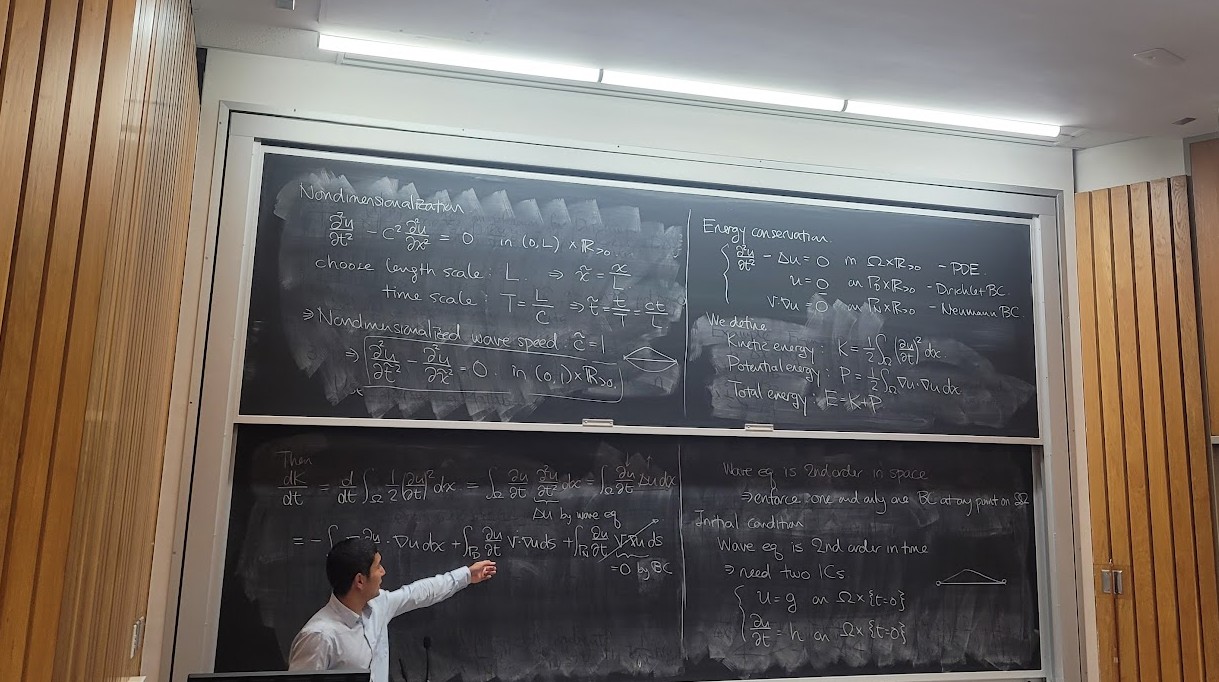
Bachelors in Aerospace Engineering
Aerospace Engineering at U of T has been a rigorous program focused deriving the core laws from first-principles, applying them under constraints, and then validating them with real experiments. This degree has given me exposure to a truly broad range of mechanical, electrical, and computational work, and forced me to prove things with real data rather than just theory.
Technical focus
- Comprehensive analysis of fluid dynamics, solid mechanics, and control systems.
- Rigorous mathematical foundation in calculus, partial differential equations and linear algebra.
- Interdisciplinary application of electrical engineering and computer science principles.
- Advanced engineering design and communication through the Praxis sequence.
Results
- Completed rigorous Engineering Science curriculum with a major in Aerospace.
- Developed strong proficiency in C, C++, Python, and MATLAB for scientific computing.
- Applied theoretical physics to real-world engineering problems.
- Gained extensive laboratory experience in aerodynamics and structures.
Core competencies
What I proved and built
This degree has been very little about memorizing (equation sheets often provided) and mostly about repeatedly doing the full loop: derive the known model from first principles, implement it to specific problems under constraints, then use labs to validate it with real measurements. The highlights below are a slice of the parts that felt the most real to me.
First-principles + real computation under deadlines
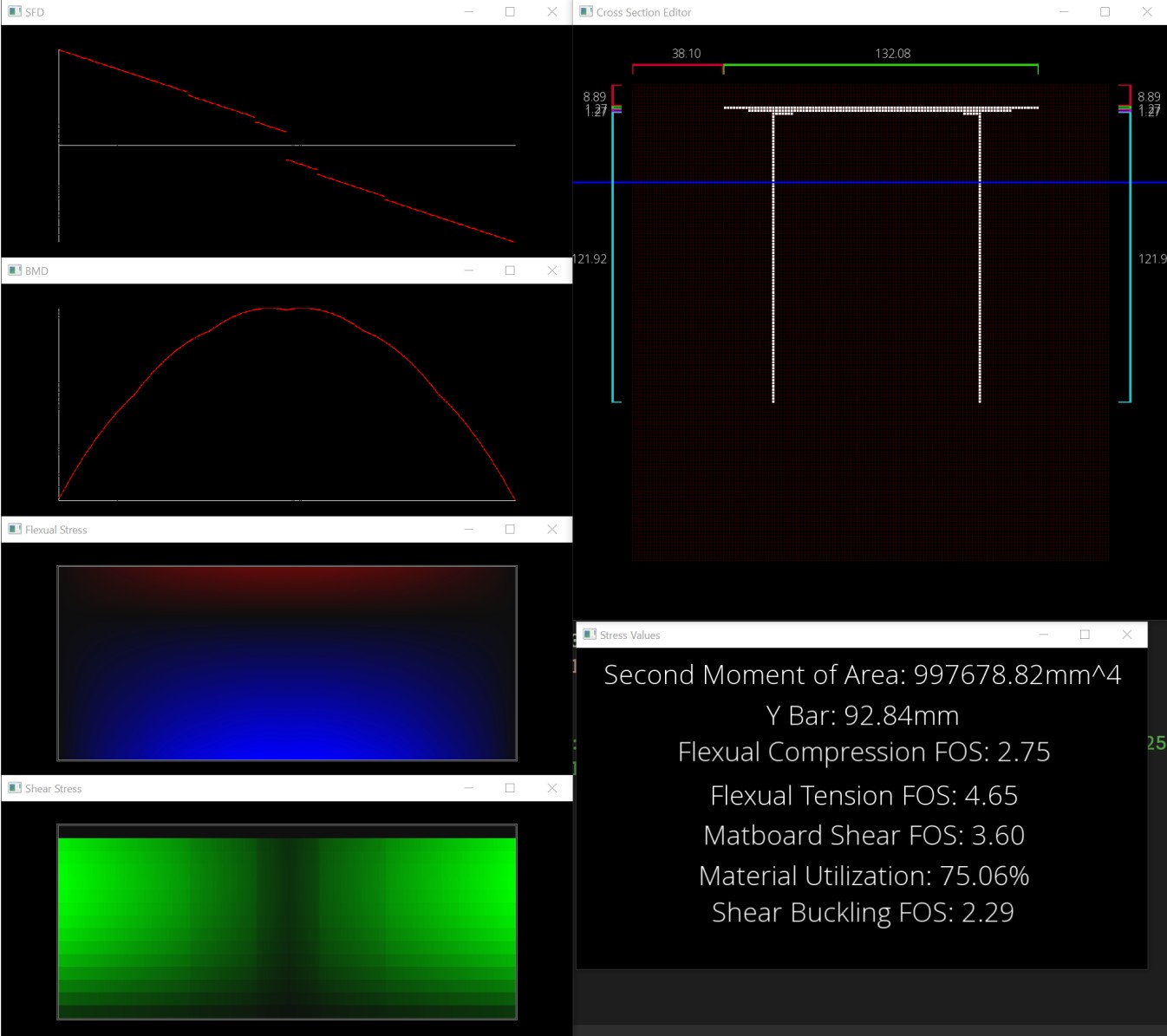
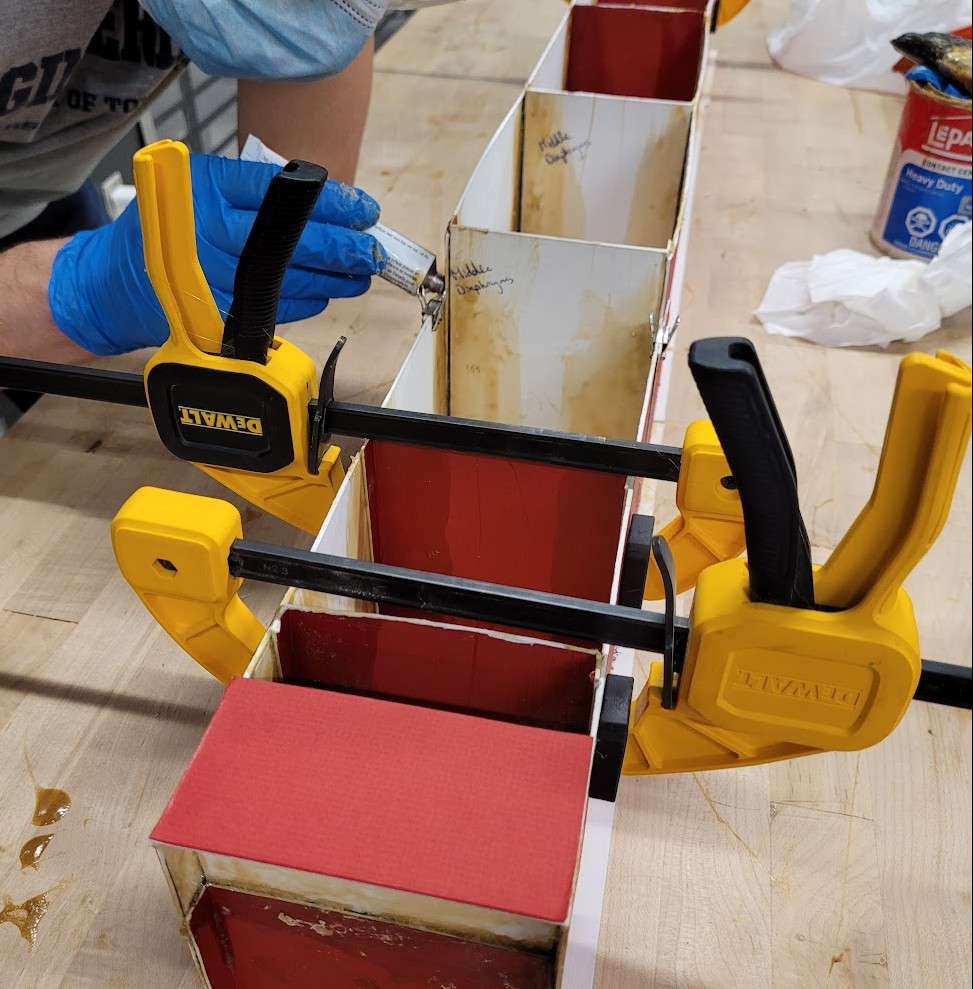
- Built a 6k+ line C++ automatic 2.5D bridge load solver for first-year Structures and Materials.
- Placed 5th out of 96 teams in the design competition, in large part because we could iterate designs rapidly and get near-instant feedback on 9 different load conditions simultaneously.
Wind tunnel and aero data analysis
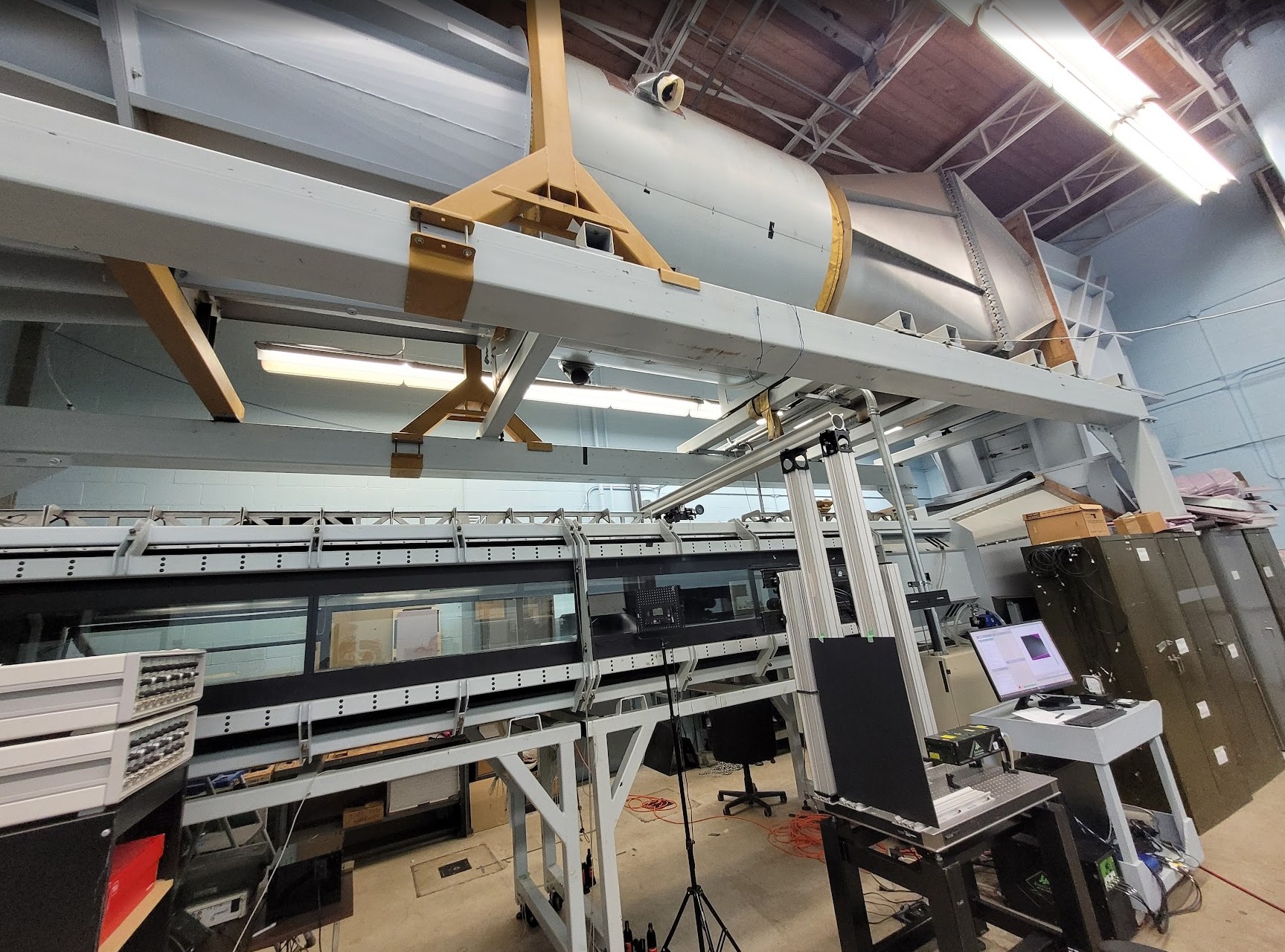
Aerodynamics lab, airfoil validation
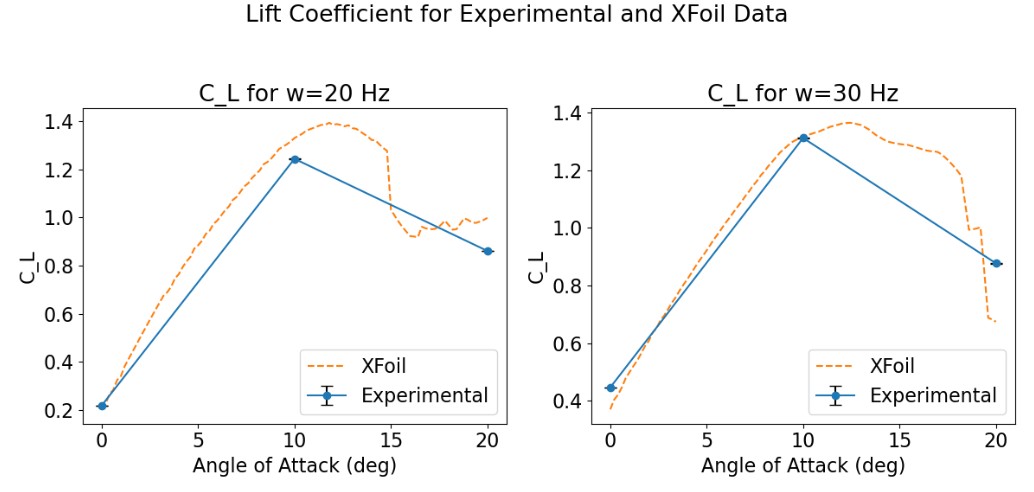
- Ran wind tunnel experiments where the lecture equations become real, and frankly impressive in their accuracy of predicting reality.
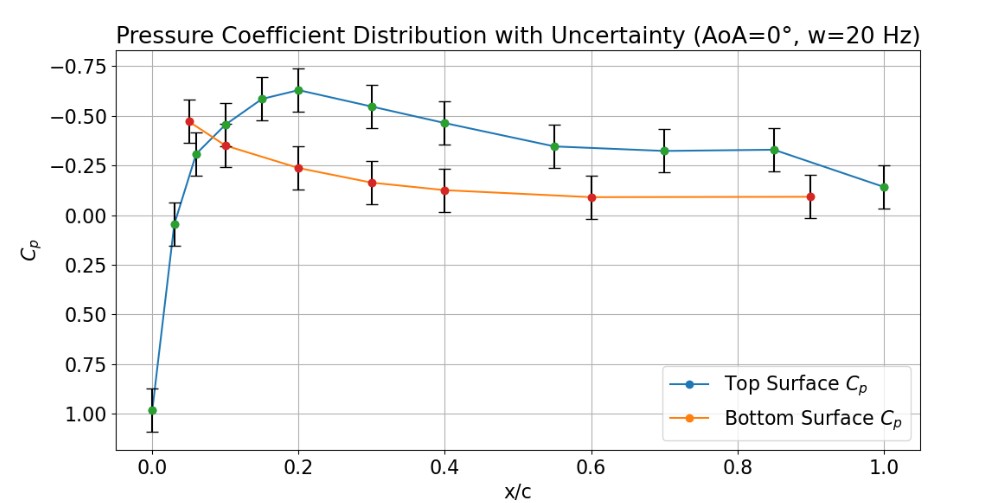
- Wrote Python analysis code that processes raw pressure measurements across an airfoil into aerodynamic loads and lift (CL plot shown below).
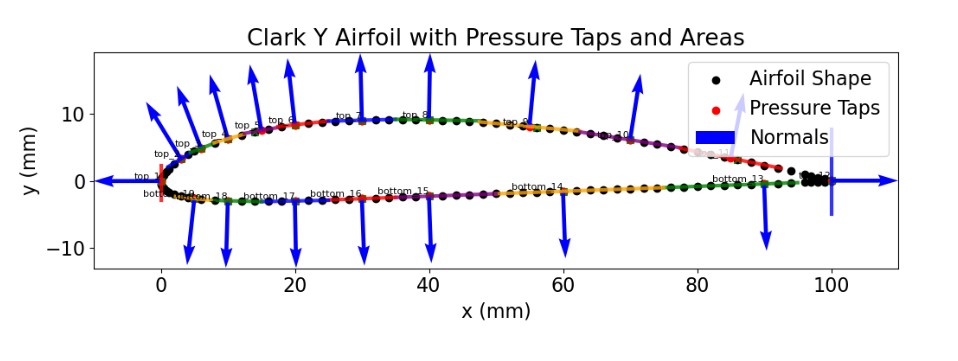
- The code also visualizes the pressure distribution and surface normals to verify the integration logic against theoretical expectations while quantifying uncertainty.
Structures lab: design, predict, break, learn
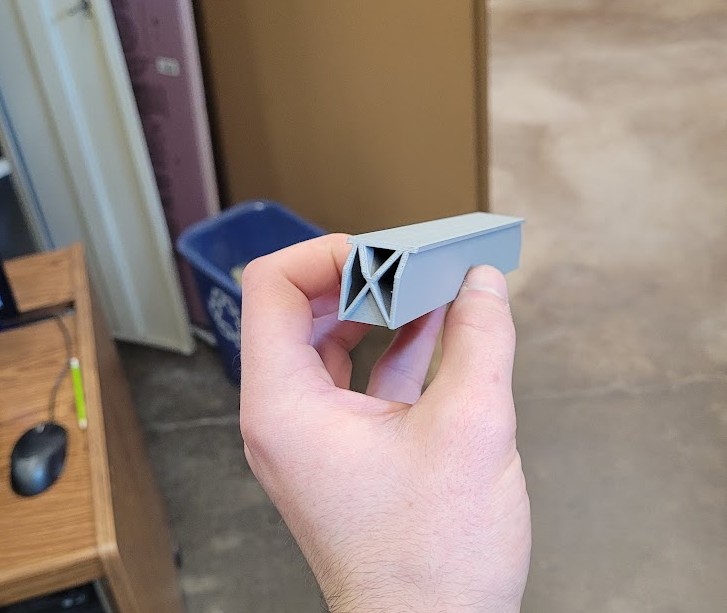
- Designed a load-bearing test-piece with strict weight constraints.
- Iterated using analytical analysis and FEA (stress distribution shown below), then tested it on a real bench in a professor's lab at UTIAS.
- The point was understanding where FEA is useful, and where its limitations are (particularly for composite materials) in predicting ultimate strength and the stress/strain curve.
Physics lab with computer vision
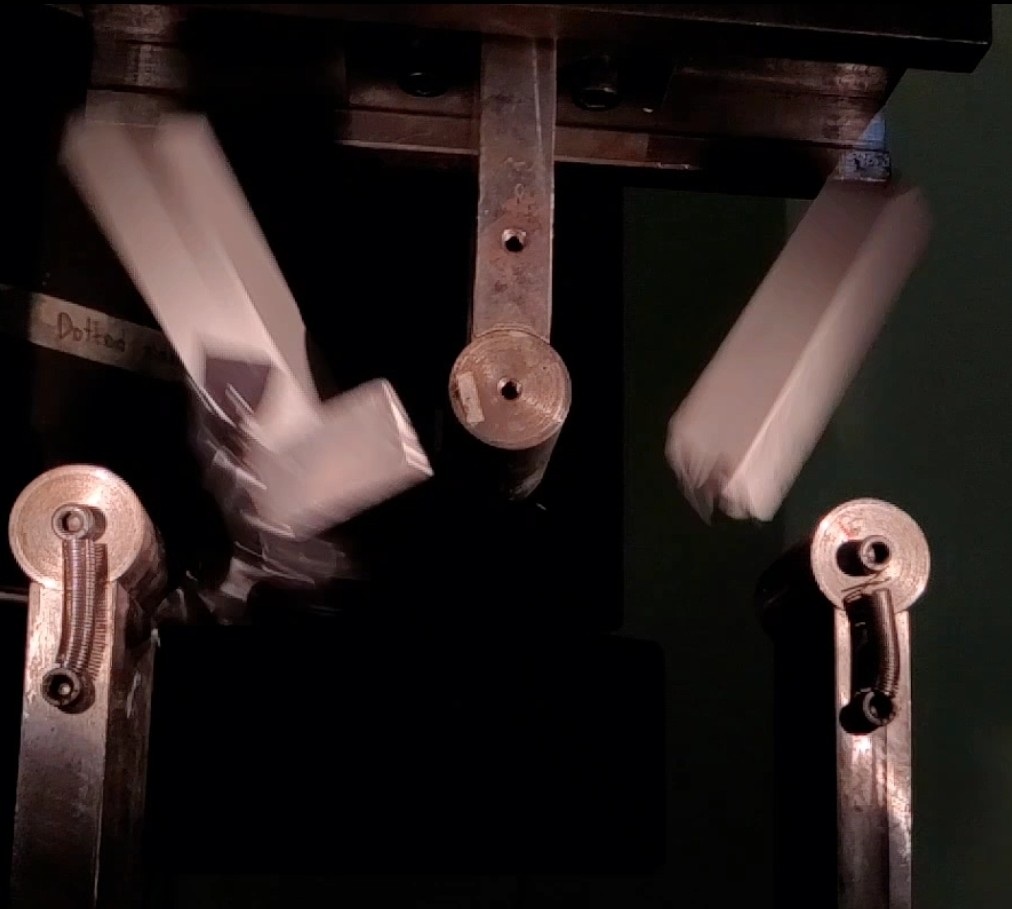
- Completed a quantum mechanics lab where we measured Planck's constant by analyzing micro oil droplets suspended in an electric field.
- Used computer vision based image analysis to extract the pixel-velocity rates needed for the deeper calculations to obtain the constant.
Praxis II: a real deployed-style build with stakeholders
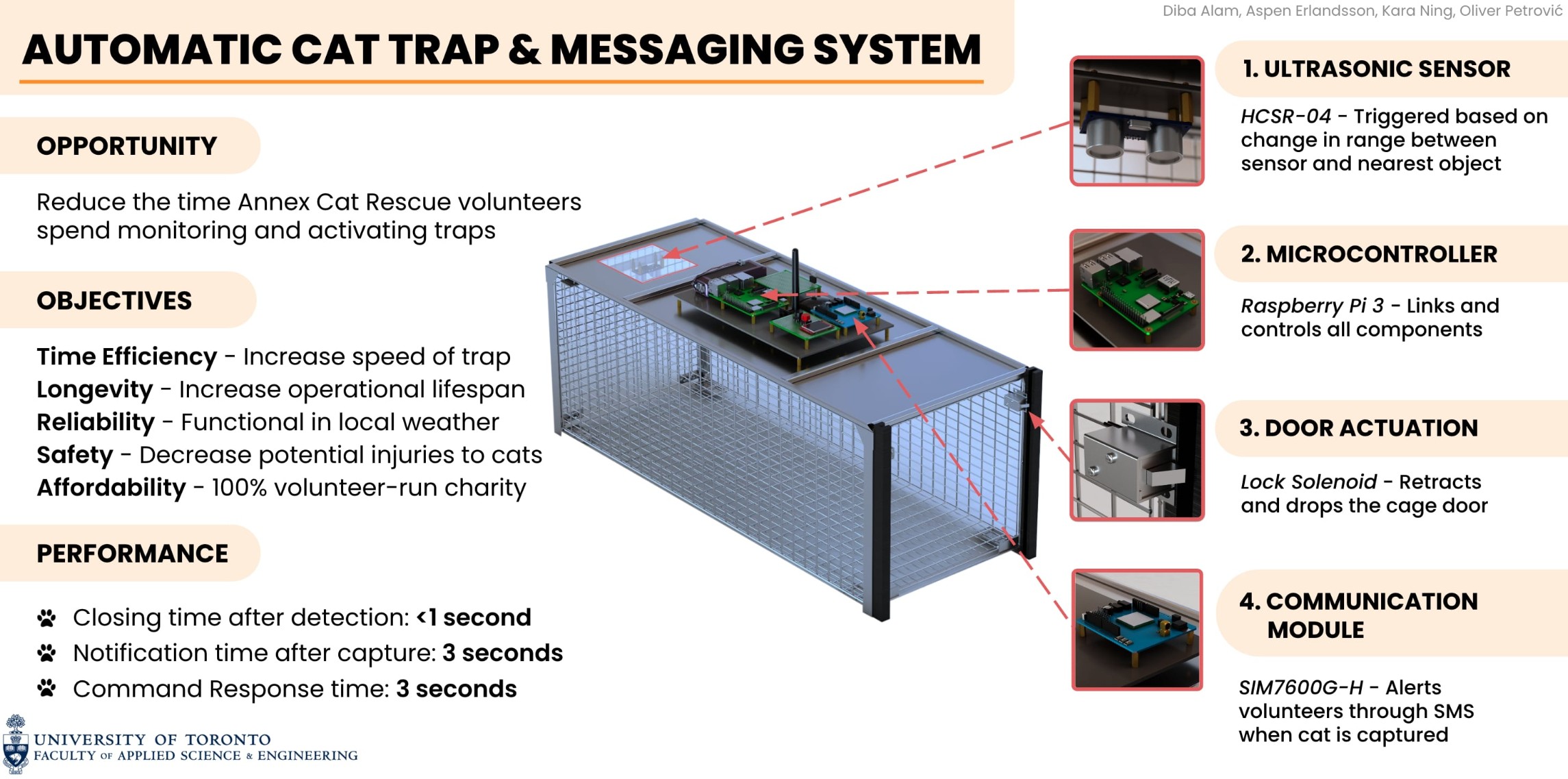
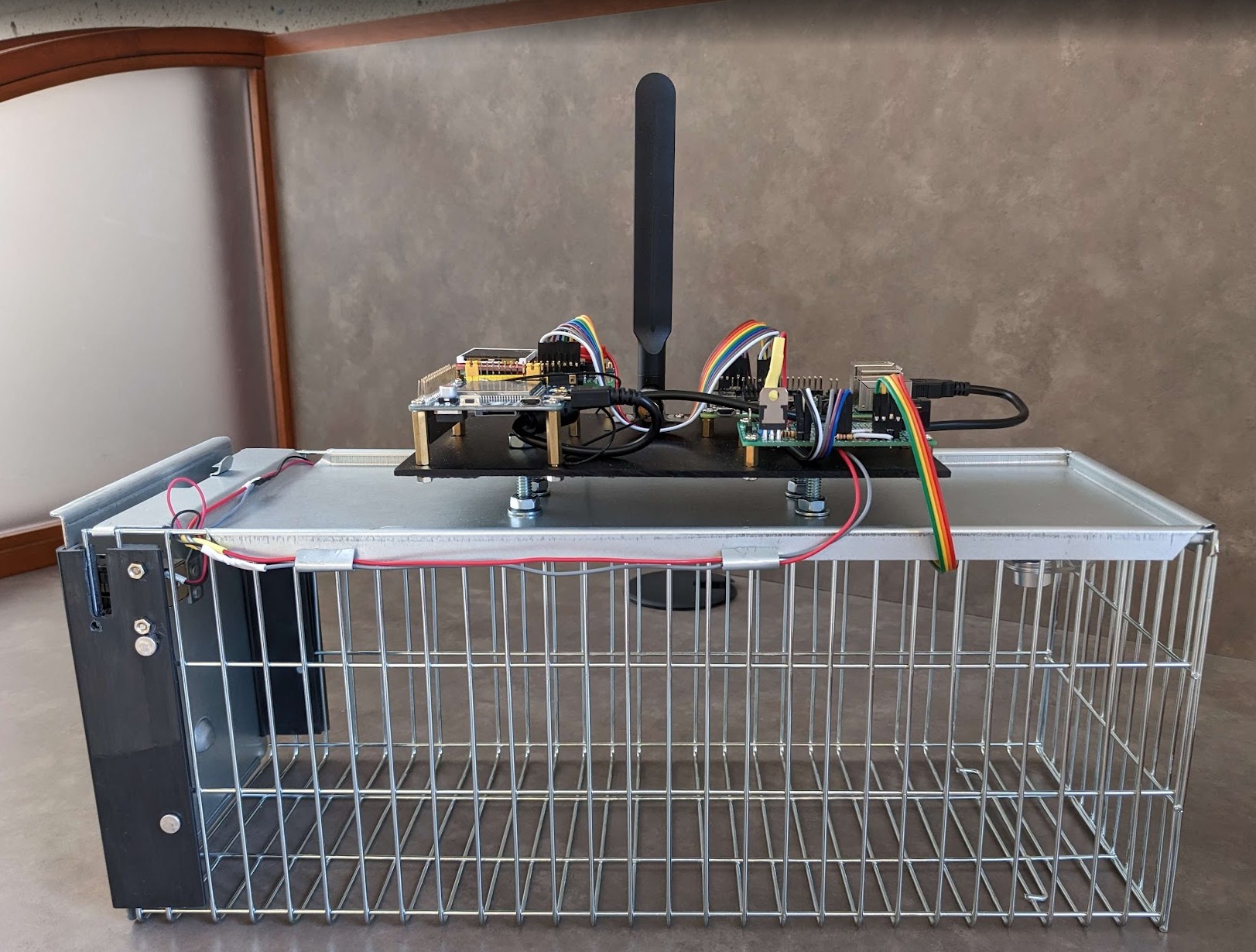
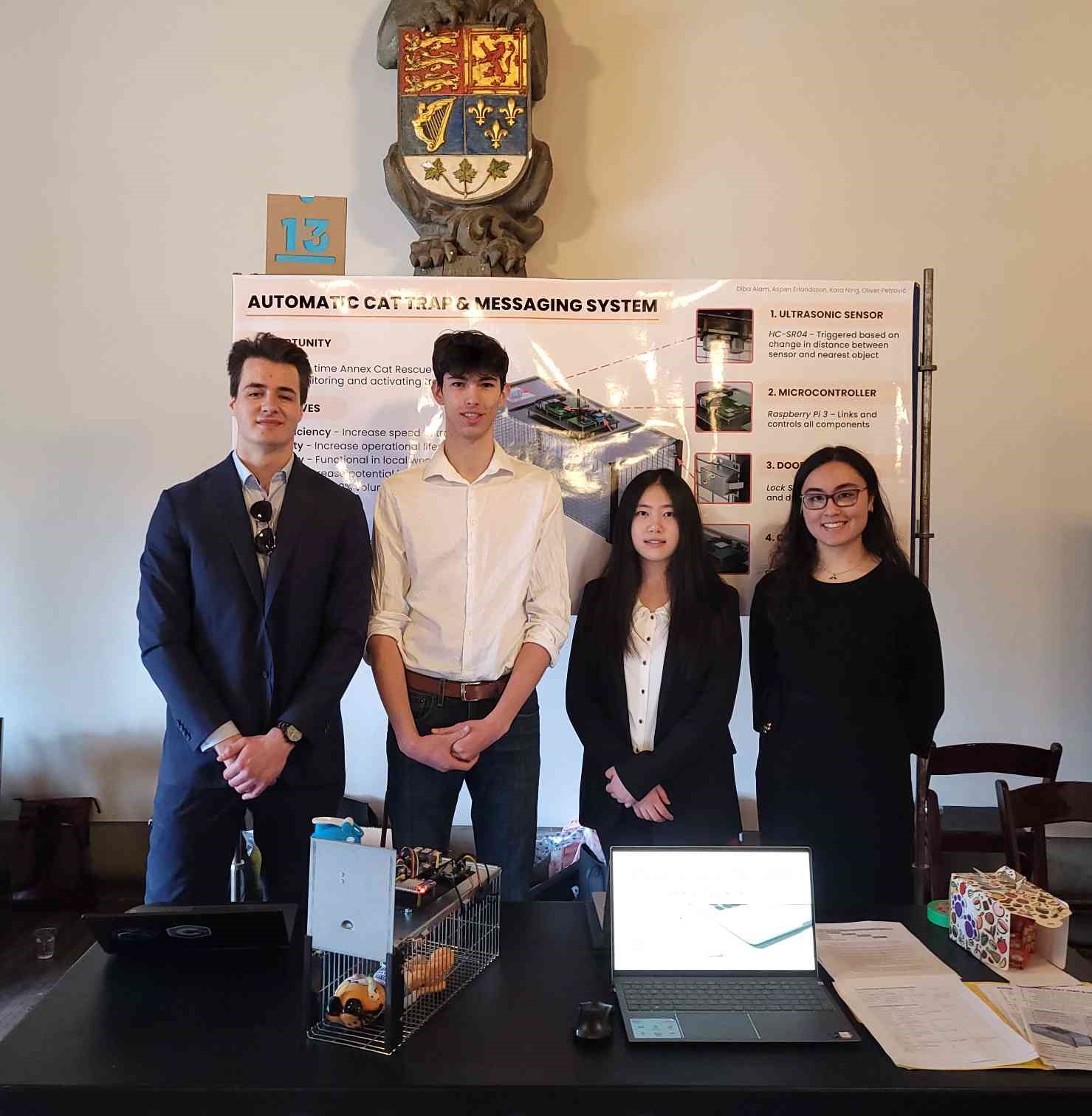
- Built an IoT device with real 4G connectivity (tested) to help local cat rescue volunteers safely capture stray cats and get them medical care.
- End-to-end demo with stakeholders: no app install, the interface is purely SMS texting.
- When the trap triggers and the door closes safely, it texts the volunteer the GPS location.
Why did I choose this degree?
I'm highly motivated by building elegant systems that solve real problems, not complex systems for the sake of complexity; although I won't pretend I don't love complexity when the problem demands it.
I'm especially drawn to digital-heavy engineering: electronics, software, and high-level systems design, and I excel at integrating all three into something that actually works end-to-end.
At the same time, I wanted a degree that forces competence in mechanical design, aerodynamics, and design-for-manufacturing so my work is grounded in real-world physics and can be driven toward actual meaningful results.
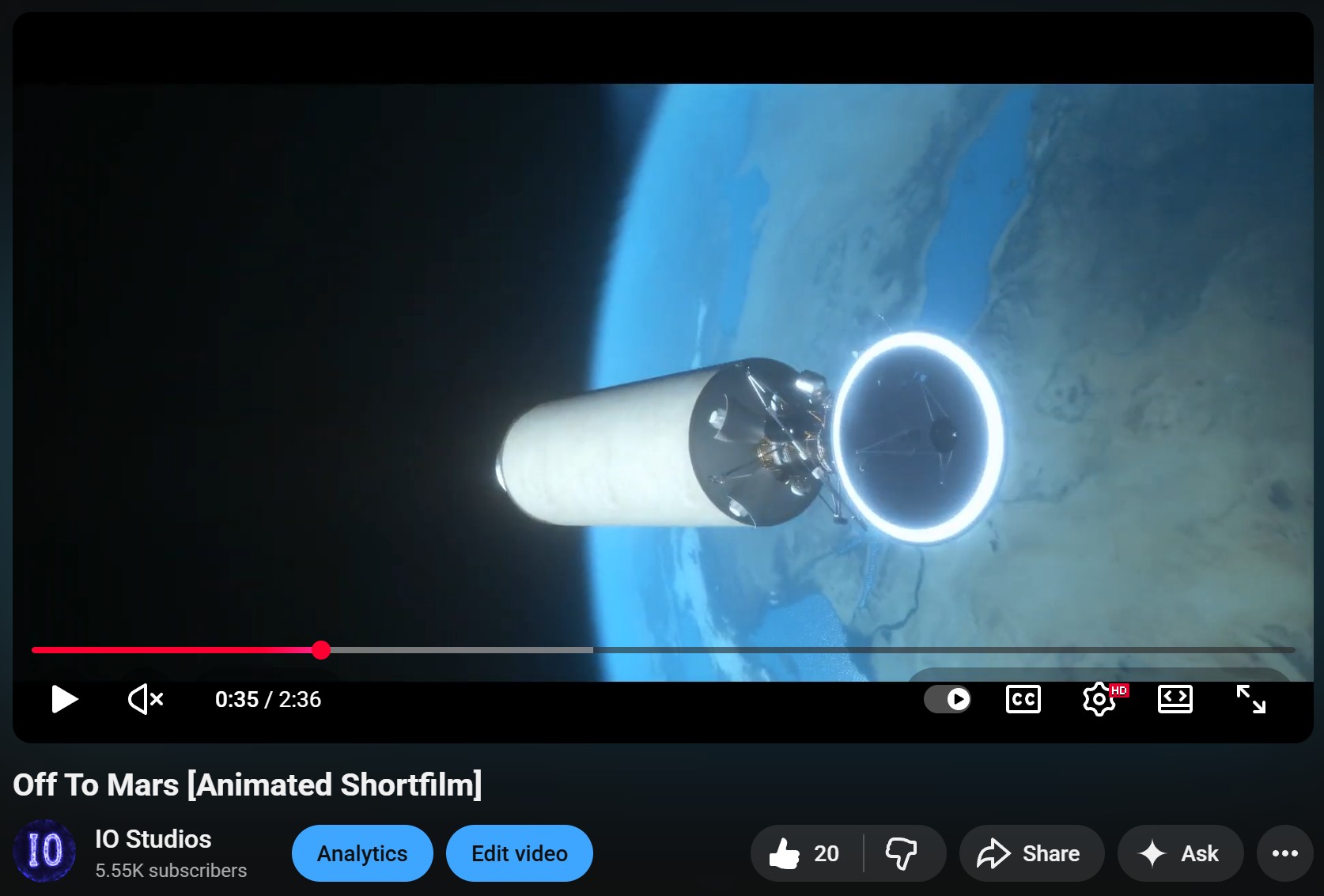
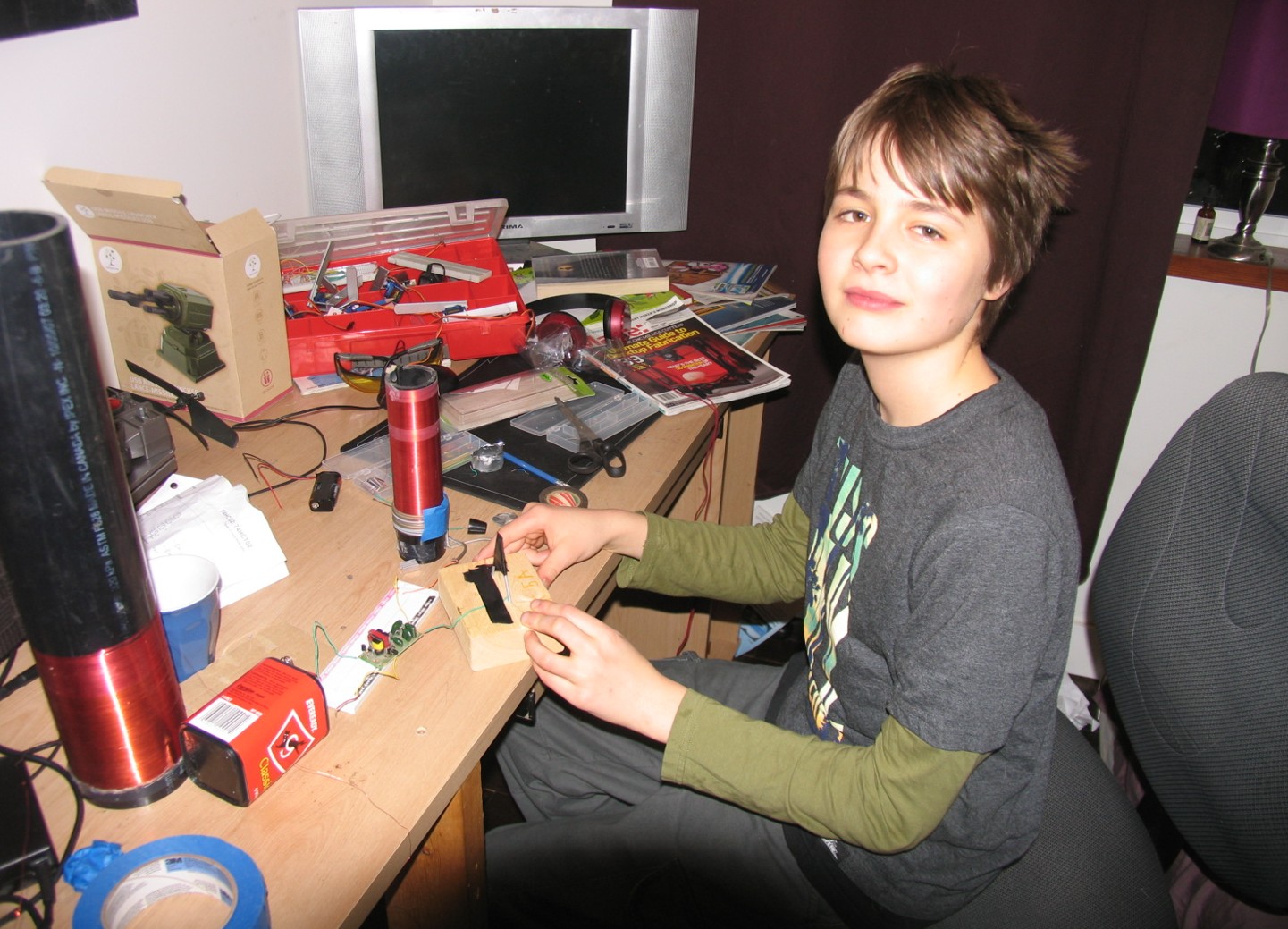
This interest goes back a long way: multibody gravity simulation experiments in high school, lots of sci-fi/space themed 3D work (my old YouTube tutorials hit 1.2M+ views), and being the kid building things constantly like Tesla coils, RC robots, and questionable backyard tree-forts with power tools. I've always been a builder, and aerospace coupled with massive project and design team work in electronics is the truest version of that: high expectations, tough math, real external validation.
Courses
Note: Courses are ordered based on positive/useful impact to me, and relevance to real-world engineering problems across multiple domains.
Aerospace Engineering
- AER372 - Control Systems
- AER306 - Introduction to Space Flight
- AER210 - Vector Calculus and Fluid Mechanics
- AER301 - Dynamics
- AER373 - Mechanics of Solids and Structures
- AER336 - Scientific Computing
- AER307 - Aerodynamics
- AER303 - Aerospace Laboratory I
- AER304 - Aerospace Laboratory II
Electrical & Computer Engineering
- ECE259 - Electricity and Magnetism
- ECE253 - Digital and Computer Systems
- ECE159 - Fundamentals of Electrical Circuits
- ECE286 - Probability and Statistics
- ESC190 - Computer Algorithms and Data Structures
- ESC103 - Engineering Mathematics and Computation
- ROB310 - Mathematics for Robotics
- ESC180 - Introduction to Computer Programming
Mathematics & Physics
- ESC384 - Partial Differential Equations
- MAT292 - Ordinary Differential Equations
- MAT185 - Linear Algebra
- ESC195 - Calculus II
- ESC194 - Calculus I
- PHY294 - Quantum and Thermal Physics
- PHY293 - Waves and Modern Physics
- PHY180 - Classical Mechanics
Thermo / Materials / Biomed / Society
- CHE260 - Thermodynamics
- CIV102 - Structures and Materials
- MSE160 - Molecules and Materials
- BME205 - Fundamentals of Biomedical Engineering
- CHE374 - Economic Analysis and Decision Making
- APS420 - Technology, Engineering, and Global Development
- ESC203 - Engineering and Society
- ESC301 - Engineering Science Option Seminar
Praxis Design Sequence
- ESC204 - Praxis III (Advanced Design)
- ESC102 - Praxis II (Intermediate Design)
- ESC101 - Praxis I (Design and Communication)